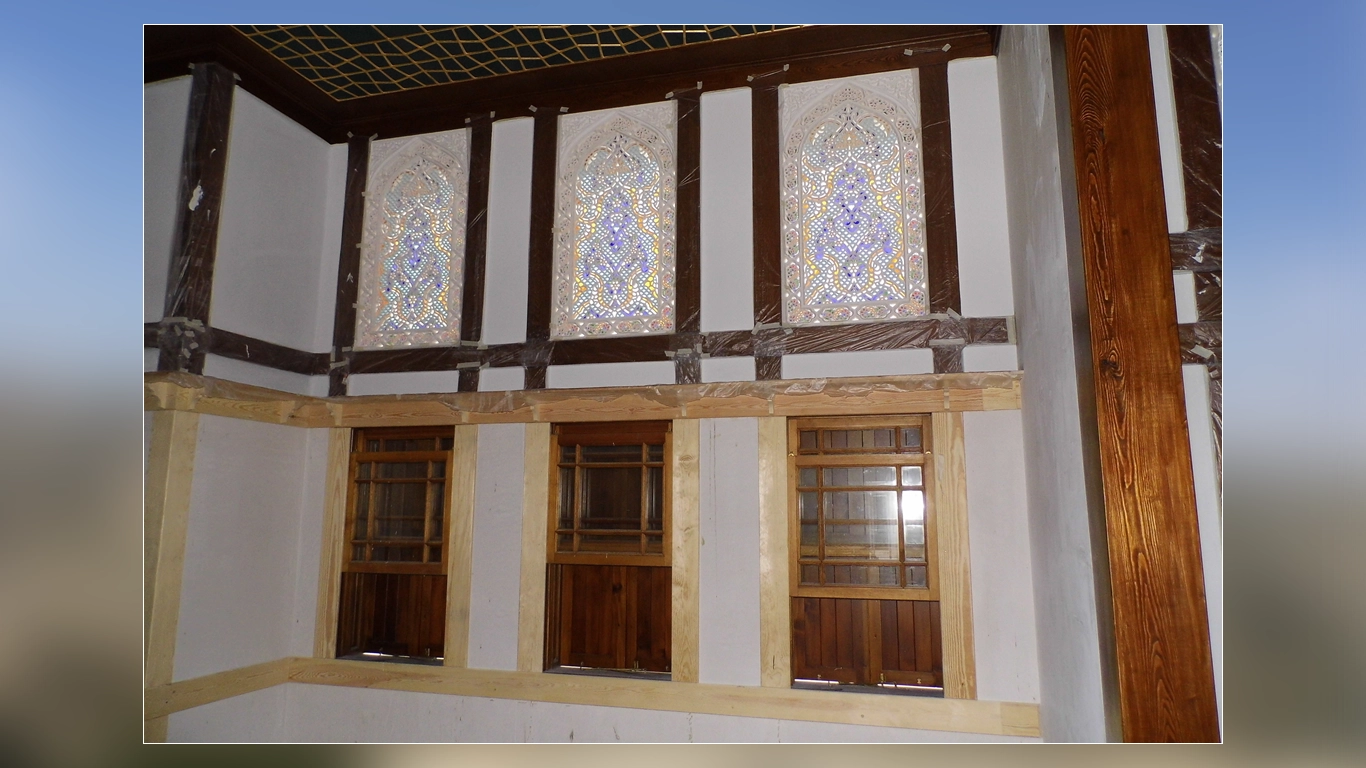
Berlin Turkish Martyrs’ Cemetery Cultural Center, Germany (2015)
Following the death of Ali Aziz Efendi, author of “Muhayyelat” and the first resident ambassador of Ottoman Sultan Selim III to King Frederick William III of Prussia, in 1798, land was allocated for his burial on the site now known as Urbanstrasse. Later, Rahmi Efendi, the private secretary of the Berlin Embassy who died in 1839, was also buried here.
In 1866, due to the expansion of a nearby barracks, the cemetery was moved to its current location. By order of Sultan Abdülaziz, a monument was erected in memory of those buried here.
In 1921, the Ottoman state purchased additional land, expanding the cemetery. Hafız Şükrü Efendi, the last Ottoman ambassador, was also buried here, and Talat Pasha, who was martyred in Berlin by Armenians, lay here until his remains were transferred to Turkey.
(Note: The sentence “Germany Berlin Türk Şiirleri Kültür Evi” is a separate, unrelated sentence and has been omitted from the translation.) Ottoman officers who were wounded in World War I and died in Berlin after being brought there for treatment were also buried in this cemetery, hence it was named the Martyrs’ Cemetery and is also known as the “Berlin Turkish Martyrs’ Cemetery.” The cemetery also contains numerous Muslim graves from various countries.
Cultural Center:
The cultural center is located behind the monument, on the left side of the entrance to the complex built in the Martyrs’ Cemetery area. Architecturally, its tan paint, wooden shutters, exterior windows, wooden-slatted eaves, wooden moldings, guillotine windows, and bay windows reflect the traditional Turkish house culture with its wooden frame and Baghdad plaster.