

Landscaping of Sevakin Island (Archaeological Site), Sudan (2012-2015)
Sevakin Island (Archaeological Site) Environmental Arrangement (2012-2015)
Sevakin Island: History and Architecture
Historical Background
Sevakin Island is an ancient port city located on the Red Sea coast of Sudan, approximately 60 km south of present-day Port Sudan. Its strategic location made it an important center for centuries, opening trade routes and pilgrimage routes into the interior of East Africa.
When the Ottoman Empire conquered Egypt in 1517, the region came under Ottoman control, and Sevakin Island played a key role in the security and trade network of the Red Sea from the 16th to the 19th century.
With the establishment of Port Sudan at the end of the 19th century, Sevakin lost its importance, and the settlement on the island gradually became abandoned and fell into ruin.
Sevakin Island Settlement and History:
Sevakin Island, a shared heritage with the Sudanese people, was developed during the Ottoman period and served as the largest port city of its time on the Red Sea. With its natural coral reefs and historical beauty, the island is progressing towards becoming a major tourist destination both for Sudan and globally.
The greatest advantage for regional tourism is that, although the island has lost some of its original character, it has been declared a protected site by the Sudanese Ministry of Culture since 1987, preventing new construction.
The island is circular in shape.
Its diameter is approximately 400 meters.
Its total area is approximately 30,000 m².
There were around 300 structures on the island.
These include:
Four large houses and 200 smaller family homes,
Approximately 60 small shops,
Two mosques,
Six small places of worship for non-Muslims in the form of zawiyas (religious centers),
Customs, guardhouse, Bank of Egypt, school, and administrative buildings,
All of these buildings remained intact until 1930.
Between 1940 and 1950, 50 buildings were still standing, with about a dozen intact.
The introduction of steamships led to the abandonment of the island.
The documented history of Sevakin begins with the rise of Islam and the conquest of Syria and Egypt in 641 AD.
In 1453, the Portuguese established the Funj Sultanate in and around Sevakin .
The history of Sevakin changed with the Ottoman conquest of Egypt in 1516.
The entrances and exits to Basra and the Red Sea were under Portuguese control.
The Portuguese frequently attempted to occupy holy sites. Their aim was to seize Muslim holy places, thereby inciting cultural and economic gain, as well as rebellion against the Caliphate.
Therefore, in 1538, Suleiman the Magnificent ordered the construction of a fleet in the port of Suez.
Between 1551 and 1556, Özdemir Pasha captured Sevakin from the Funj Sultanate, establishing the Sevakin Sanjak.
The Sevakin and Jeddah Sanjaks were considered equal.
In 1568, the construction of a canal connecting the Red Sea and the Mediterranean was ordered.
The decline of Sevakin began in 1800 with the shift of the trade route to the Cape of Good Hope.
Between 1800 and 1849, the Khedive of Egypt, Mehmet Ali Pasha, ordered the restoration of all structures in Sevakin.
The Suez Canal was opened in 1869.
Gordon was appointed governor of Sudan in 1877 and had the road built that same year.
In 1880, the Mahdi uprising began in Khartoum.
Governor Gordon was killed in the uprising.
The Mahdi movement ended in 1898.
Port Sudan was built in 1910.
The port of Sevakin was abandoned after the war in 1922.
Architectural Features
The historical architecture of Sevakin is directly related to the geographical and cultural structure of the region:
Materials and Techniques
Buildings are generally constructed from coral stones extracted from the coast and marine-derived materials. This is a unique form where the coral reefs surrounding the island are transformed into architectural fabric.
In architectural details, Ottoman influence is intertwined with East African and Red Sea architectural traditions.
Planning and Settlement
The historical city took shape as a typical port settlement; functional buildings such as mosques, the customs house, administrative/military buildings, and residences were located around the port.
The city’s living spaces included inns, workshops, warehouses, and social spaces.
Important Buildings
Some of the main building types are:
Hanafi and Shafi Mosques – Places of prayer representing the Ottoman period.
Customs House – A historical building used for port operations.
Guardhouse – A building that functioned as an administrative or military center.
Houses and residences – Settlements built of coral stone with original plans (e.g., Two Ottoman Period Houses).
Repair and Restoration Works
Turkey’s Role and TIKA’s Activities
Since the early 2010s, comprehensive survey and restoration works have been carried out on the island under the leadership of the Turkish Cooperation and Coordination Agency (TİKA):
Survey and Planning (circa 2011-2018)
Geological, geophysical, topographic mapping, architectural, and restoration field studies were conducted.
The structures in a dilapidated state were documented with laser scanning measurements that formed the basis for the survey and architectural projects.
Restored Structures
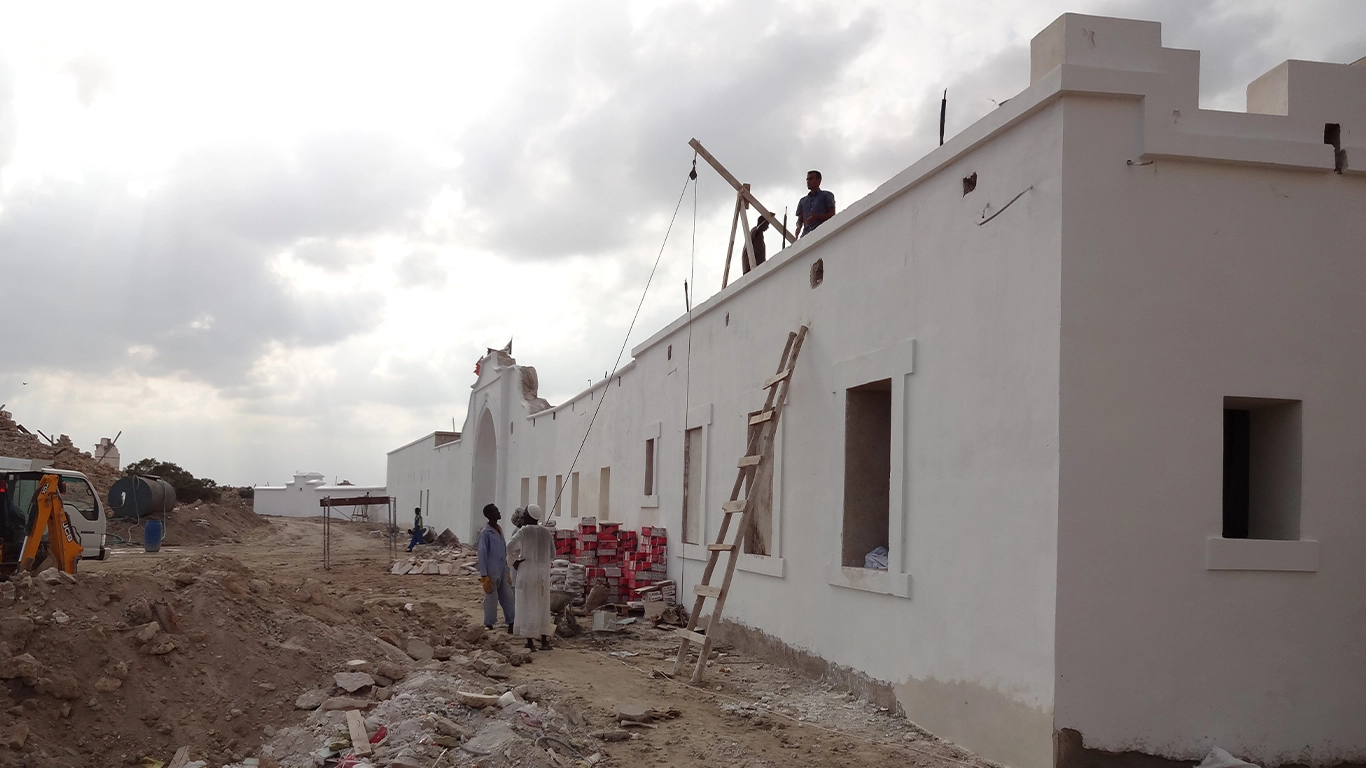
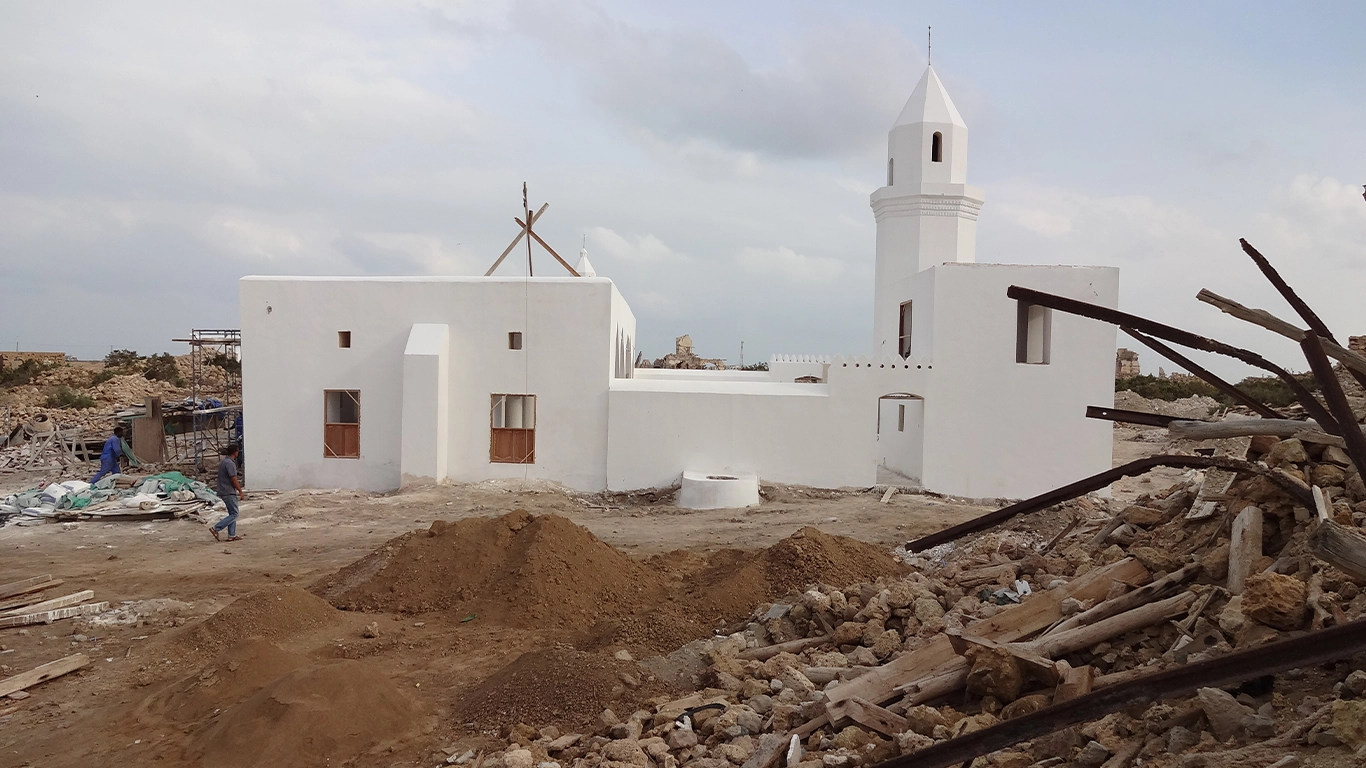
The restoration of the Hanafi and Shafi Mosques and the Customs Building was successfully completed.
The restoration work on the Guardhouse and some other structures is ongoing or has been completed to certain stages.
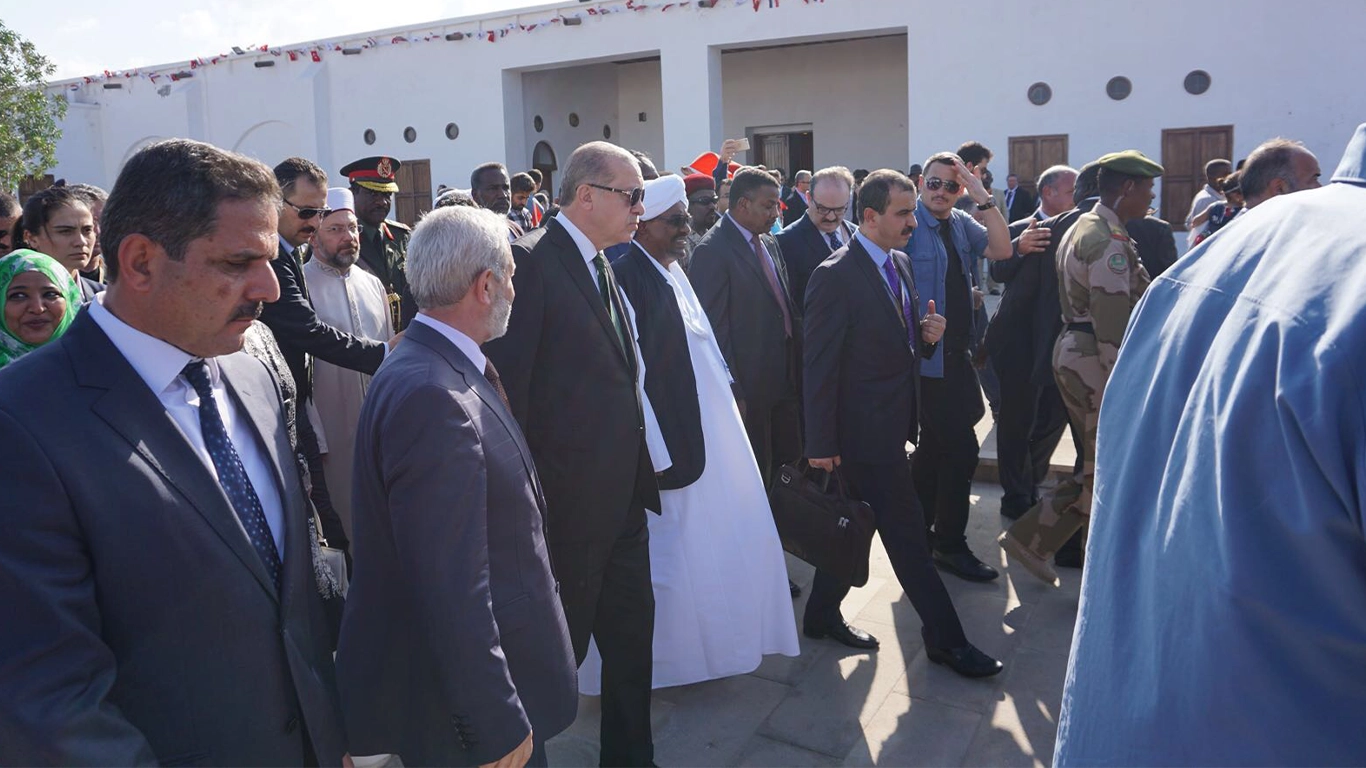
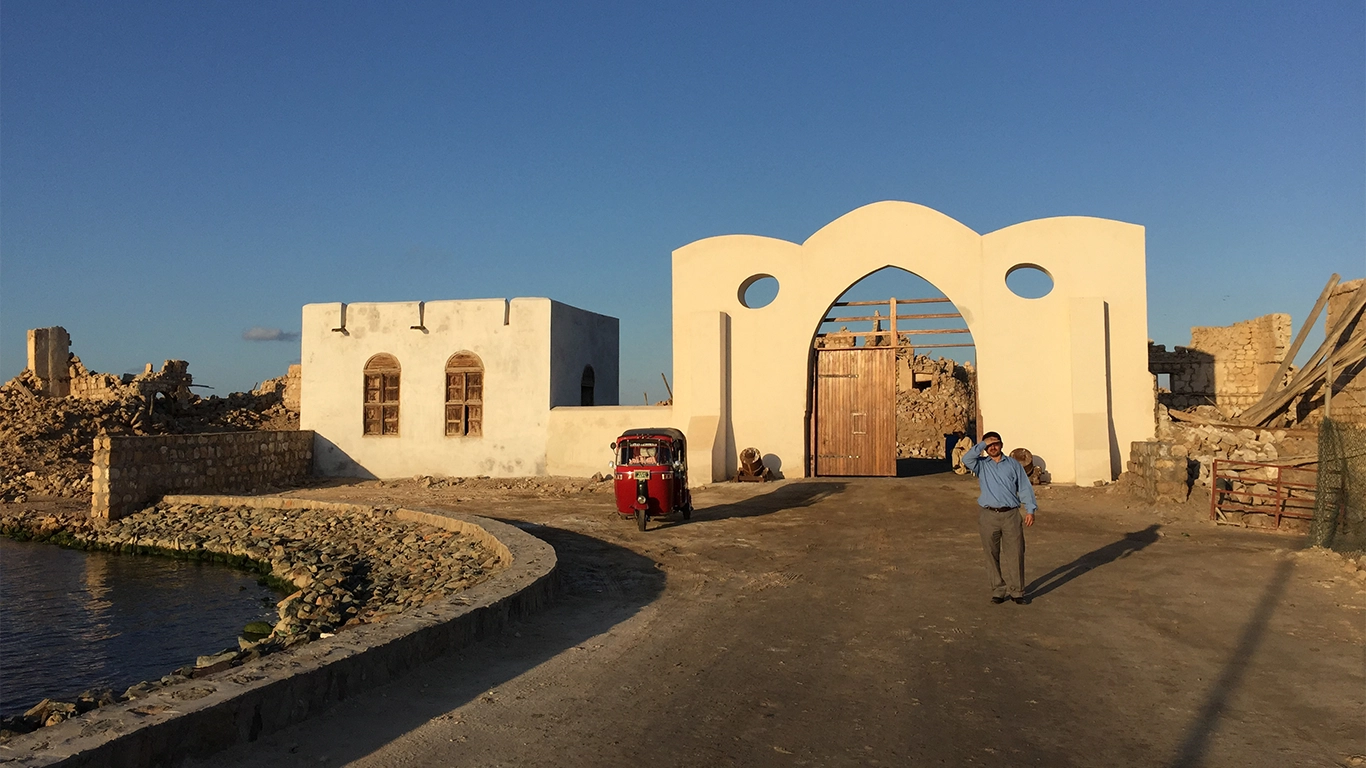
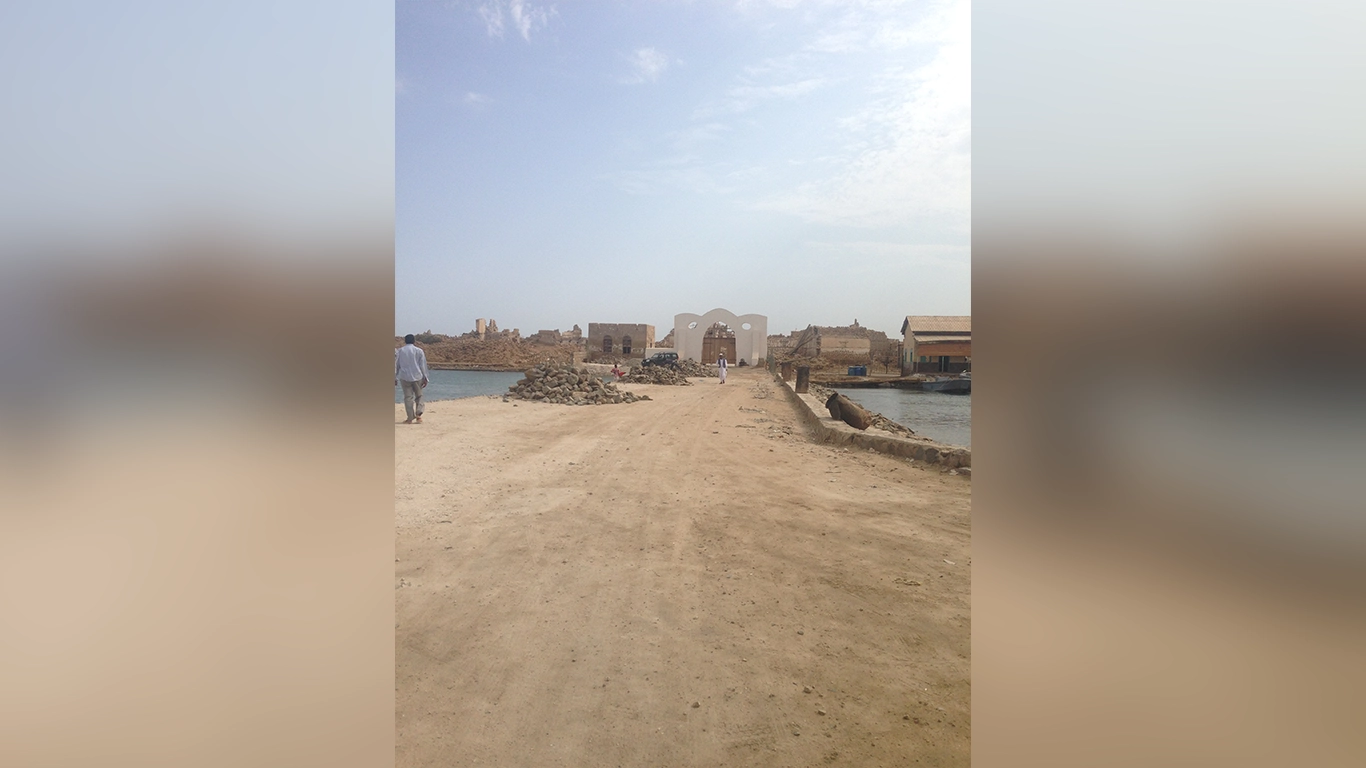
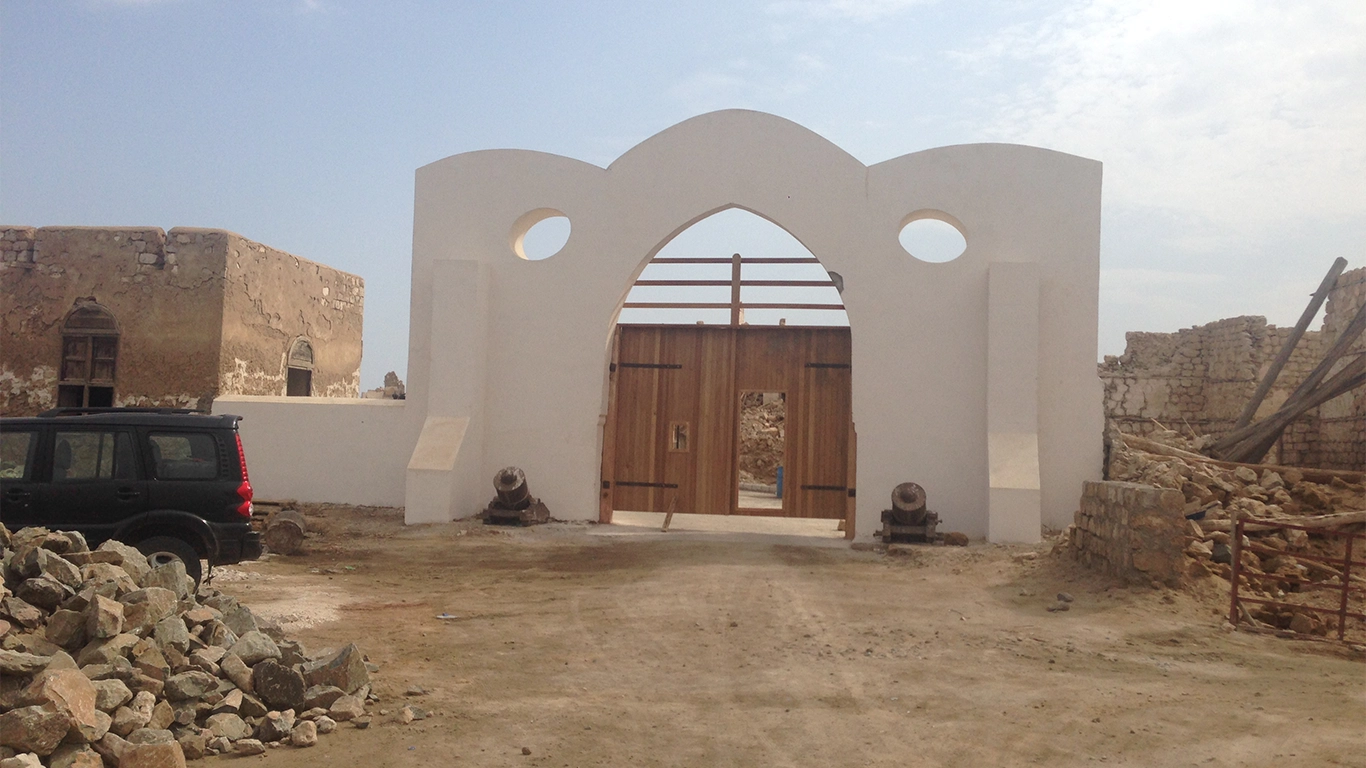
The squares connecting the Hanafi and Shafi Mosques and the Customs Building, as well as the road from the island entrance to the squares, were reorganized in accordance with the provisions of the protected historical site regulations, and the island entrance gate and its annexes were restored.
The island is planned to be restored to its original state and transformed into a cultural and tourism center.
Post-Project and Delivery
Architectural and Conservation Importance
Architectural Value
Sevakin Island is one of the rare settlements that combines Ottoman-era and Red Sea architectural elements. The use of coral in architecture and regional trade-culture relations are reflected in the architectural typology.
Conservation and Tourism
Restoration work is being carried out intensively to preserve the historical fabric of the island and to integrate it into tourism.
Stakeholders, such as the Sudanese Ministry of Tourism, see restoration as an important tool to increase the number of tourists.
Historical Structures – Before and After Restoration
Architectural Assessment and Conservation Report
1.Introduction
This report has been prepared to document the physical condition of Ottoman-era historical structures on Sevakin Island, located on the Red Sea coast of Sudan, before restoration and their architectural and structural gains after restoration.
Sevakin Island is a unique cultural heritage site with its use of coral stone, Ottoman-Red Sea architectural synthesis, and port city identity.
As of 2020, some structures whose restoration was completed by TIKA were handed over to the Sudanese government, and conservation activities continued with local authorities.
2. Condition Before Restoration (Documentation)
2.1 Structural Condition
Before restoration, the majority of the structures were:
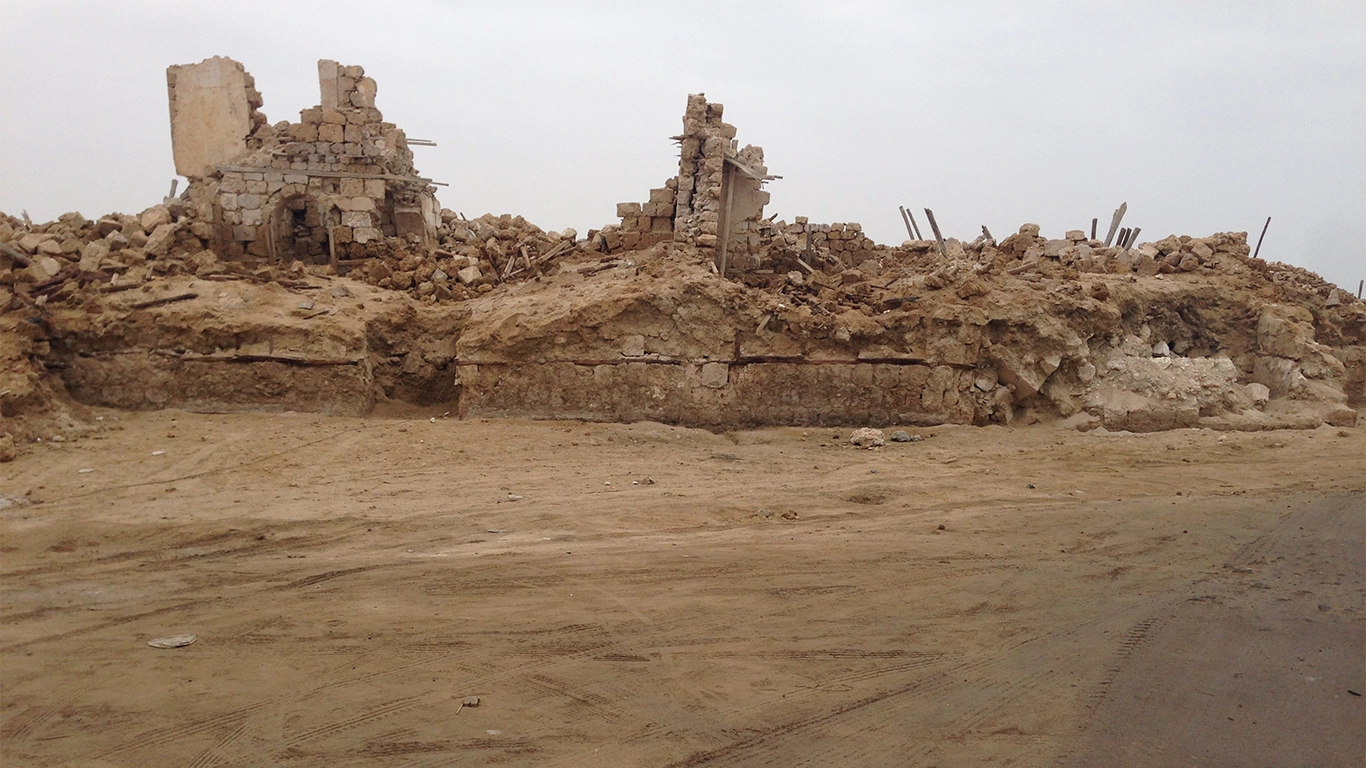
At risk of partial or complete collapse
In load-bearing walls:
Salting of coral stone
Erosion due to sea humidity
Mortar losses and voids
In wooden elements:
Decay
Biological deterioration
Completely lost floors and ceilings
2.2 Architectural Losses
Facade decorations largely destroyed
Window openings and wooden lattice systems damaged
Serious cracks in domes and vaults
In mosques, mihrabs, minbars, and interior plasterwork were in a dilapidated state
In pre-restoration images:
Exposed coral stones
Collapsed roof systems
Erosion from sand, salt, and wind is clearly visible
3. Restoration Process
3.1 Documentation Studies
Laser scanning (3D measurement)
Survey drawings
Historical archive research
Material analyses (coral stone, lime mortar)
3.2 Intervention Principles
Restoration work was carried out according to the following principles:
Authenticity
Minimum intervention
Reversibility
Use of traditional materials and techniques
3.3 Applications
Strengthening of coral stones
Use of traditional lime-based mortar
Re-creation of wooden joinery and ceilings according to original details
Static strengthening of domes and vaults
Restitution-based completion of missing decorations on facades
4.Post-Restoration Status
4.1 Structural Improvement
Load-bearing systems have been stabilized
Protective measures against marine effects have been applied
Building lifespan has been extended
4.2 Architecture Achievements
The Ottoman-era facade character has been restored.
Facades with white coral stone have regained their original texture.
Wooden balconies and eaves details have been reproduced.
Mosques have been made suitable for worship.
Post-restoration images show:
Cleaned and integrated facades.
Balanced proportions.
The historical identity restored to the harbor silhouette is visible.
5. Before-After Restoration Comparison

6. Outcome and Significance
Restoration of Sevakin Island
Preservation of Ottoman Red Sea heritage
Sudan-Türkiye cultural cooperation
It is an exemplary conservation project supporting sustainable cultural tourism.