

Sudan, Sultan Ali Dinar Palace Restoration Museum Exhibition Arrangement (2018)
Restoration and Exhibition Design of the Sultan Ali Dinar Museum
El-Fasher, North Darfur, Sudan (2016–2019)
Historical Background
Sultan Ali Dinar, whose full name was Sultan Ali bin Sultan Zakariya bin Sultan Muhammad Fadl, was the last ruler of the Darfur Sultanate. He ruled the region between 1898 and 1916. His primary objective was to establish an Islamic state in Africa resisting colonial domination. For this reason, he established relations with the Ottoman Empire and sought recognition of his state by the Caliphate.
In 1915, Ottoman Minister of War Enver Pasha sent a letter to Sultan Ali Dinar calling for jihad against the Allied Powers. During this period, the Ottoman Empire engaged French forces in Libya, Morocco, and Chad, and British forces in Egypt and Sudan. Sultan Ali Dinar allied with the Ottoman Empire during the First World War and fought against British forces until he was martyred in 1916.
The structure in El-Fasher was constructed as Sultan Ali Dinar’s palace and administrative center. It functioned both as the seat of state administration and as a complex designed to host foreign delegations.
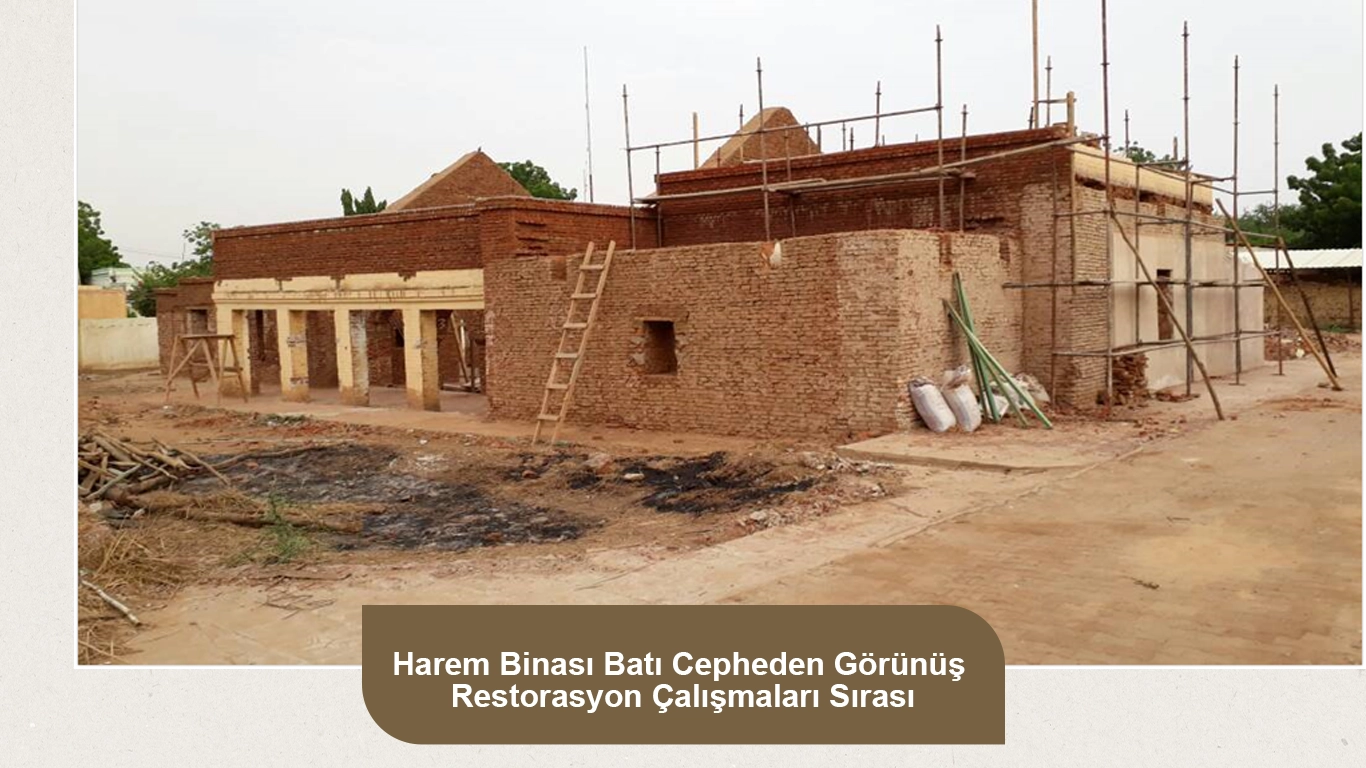
The House of Sultan Ali Dinar is located to the north of the palace complex, which included administrative buildings. Together with the Harem Building, Coffee House, and Guard Houses, it formed an integrated ensemble. From 1977 onward, the building was assigned a new function and began operating as the Sultan Ali Dinar Museum, becoming the second-largest museum in Sudan.
Conversion into a Museum
During the post-independence period of Sudan, the palace was repurposed for various public functions, including use as a governor’s office.
After 1971, it was transferred to the National Corporation for Antiquities and Museums of Sudan for use as a museum.
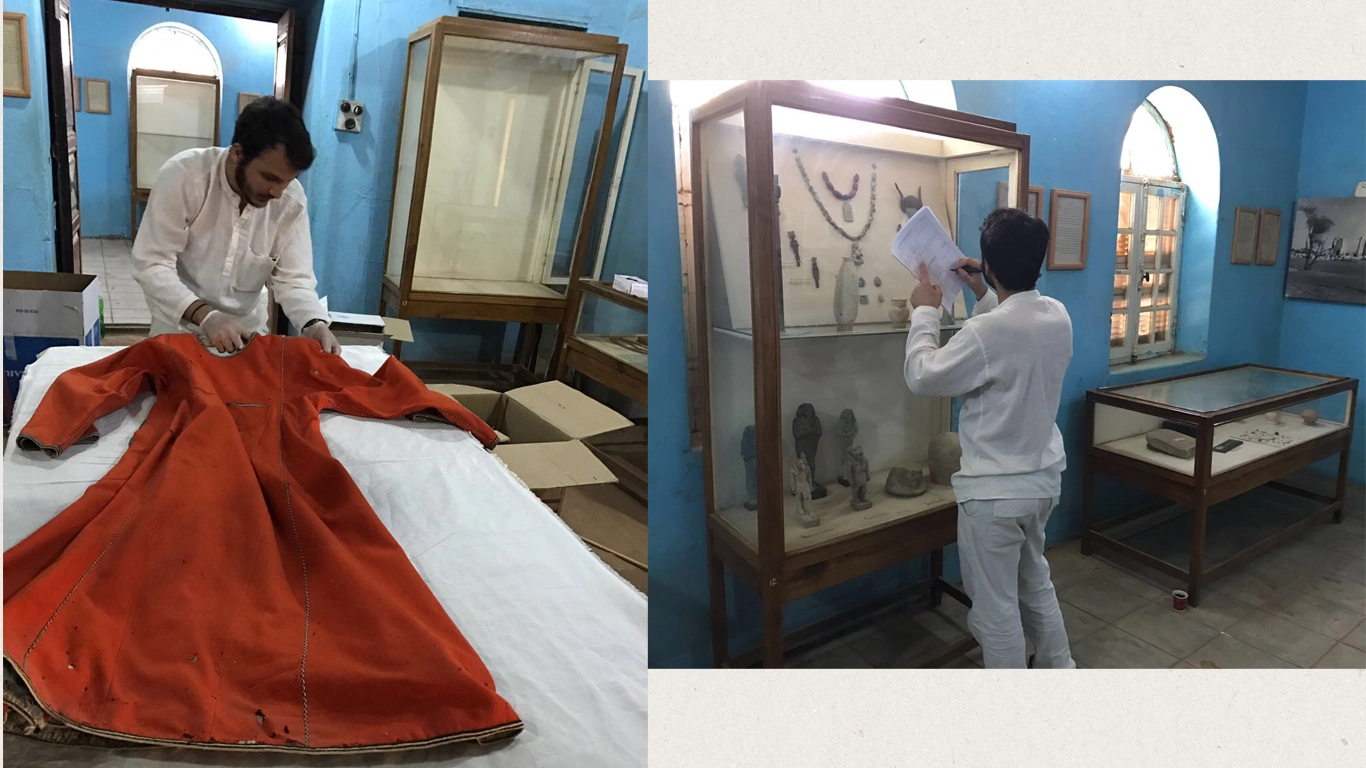
The museum exhibits objects belonging to Sultan Ali Dinar, including his personal belongings and throne.
Architectural Characteristics
The building reflects a synthesis of Sudanese–Islamic architectural traditions and Ottoman influences. Construction techniques, wall systems, gardens, and spatial layout were adapted to local climate conditions and available materials.
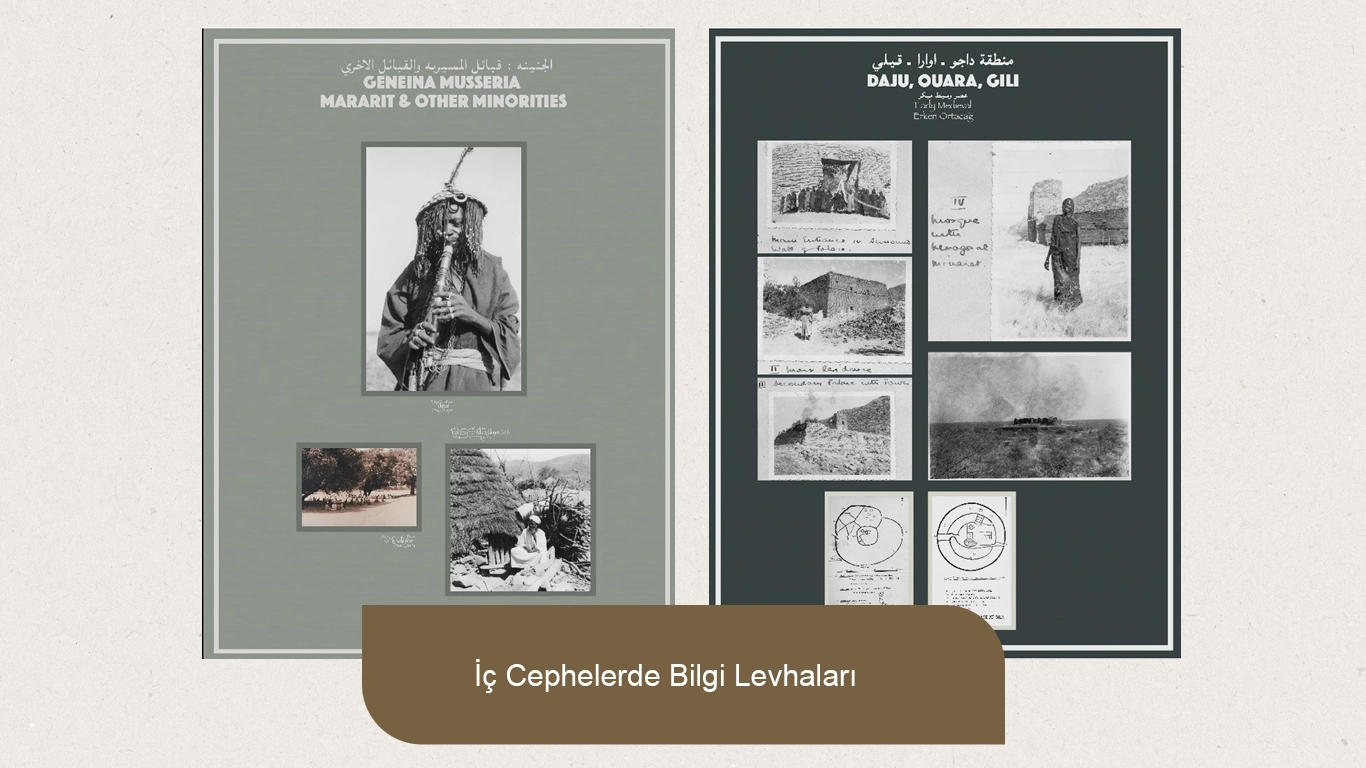
The palace includes formal and representative spaces and has been arranged to display historical documents and personal artifacts associated with the Sultan.
Restoration and Intervention History
TİKA Restoration Project
Around 2016, a restoration agreement was signed between TİKA (Turkish Cooperation and Coordination Agency) and the North Darfur State Ministry of Culture and Environment, initiating conservation works on the museum.
The primary objectives were to eliminate deterioration caused by long-term neglect, strengthen the structure in line with its original character, and ensure its long-term preservation.
The restoration was carried out between 2016 and 2019, and the renewed museum building was officially handed over to the National Corporation for Antiquities and Museums of Sudan in 2021.
1. Historical, Typological, and Construction-Oriented Architectural Analysis
Building Typology and Spatial Organization
The Sultan Ali Dinar Museum belongs to the palace architecture tradition of the Darfur Sultanate. Rather than a monumental palace, it represents a palace-house typology that:
Integrates administrative, residential, and representational functions,
Is adapted to local climate and security conditions,
Develops around a central courtyard with semi-public characteristics.
Spatial Composition
The structure generally consists of the following components:
Central Courtyard: Social, ceremonial, and circulation-focused space
Administrative Spaces: Official meetings of the Sultan
Private Living Quarters: Family and private areas
Storage and Service Areas: Food supplies and military equipment
Gardens and Open Areas: Climatic balance and ceremonial use
This layout demonstrates a hybrid character, combining Ottoman residential-palatial traditions with Sahel–Sudanese local architecture.
Architectural Style and Influences
Ottoman Influences
Hierarchical spatial sequencing
Emphasis on official reception areas
Symbols of sovereignty (throne room, flags)
Local (Darfur / Sahel) Architectural Elements
Thick earthen walls for thermal insulation
Small, controlled openings
Courtyard-centered planning
Inward-oriented spatial organization
The building is not a direct imitation of Ottoman architecture, but rather a localized interpretation adapted to the Darfur cultural context.
Building Materials and Construction Techniques
Primary Materials
Adobe (mudbrick): Load-bearing walls
Local stone: Foundations
Timber: Doors, windows, roof beams
Earth- and lime-based plasters
Construction Technique
Load-bearing masonry system
Thick wall sections (60–90 cm)
Flat earthen roofs, partially supported by timber beams
2. Restoration and Intervention History
Pre-Restoration Damage Assessment
Structural Deterioration
Erosion and void formation in adobe walls
Localized foundation settlement
Risk of roof collapse
Environmental Factors
Surface loss due to rainwater
Plaster detachment
Salt crystallization and biological growth
Human-Induced Interventions
Inappropriate repairs using cement plaster
Functional alterations of spaces
Temporary partitions for museum use
TİKA Restoration Works (2016–2019)
Conservation Approach
The project largely complied with contemporary conservation principles.
Core Conservation Principles
Authenticity
Minimum intervention
Use of local materials
Reversible applications
Types of Interventions
Structural Strengthening
Completion of weakened adobe walls using original soil mixtures
Strict avoidance of cement-based materials
Improvement of drainage systems around foundations
Surface Conservation
Removal of cement-based plasters
Application of lime–earth-based traditional plasters
Breathable surface finishes
Timber Elements
Replacement of decayed beams with the same wood species
Repairs using traditional carpentry techniques
Museum-Oriented Interventions
Exhibition elements designed to avoid damage to the historic fabric
Electrical and lighting systems installed without embedding into walls
Fully reversible technical installations
Visitor circulation organized without disrupting historical spatial hierarchy
Conservation Assessment
Strengths
Preservation of local building knowledge
Documentation of adobe architecture
Reinforcement of cultural identity
Risks and Challenges
Lack of continuous maintenance
Ongoing regional conflicts causing:
Risk of physical damage
Potential loss of collections
Absence of a strong long-term conservation strategy
Exhibited Collections
The museum houses a rich collection of ethnographic and archaeological artifacts, including:
Weapons used by the Sultan and his soldiers (swords, daggers, axes, spears, helmets, large horns, primitive firearms), flags, the Sultan’s official garments, gifts presented to the Sultan, jewelry and ornaments, a pocket watch, the Sultan’s seal, turban, a handwritten copy of the Qur’an, prayer beads, the advice of Imam Mahdi, coins and currency from the period, the Sultan’s throne, saddles, ceramic and porcelain objects, ceremonial drums (kös), as well as numerous archaeological artifacts from early Egyptian civilizations (bone, bronze, stone objects, figurines, and ornaments).